



















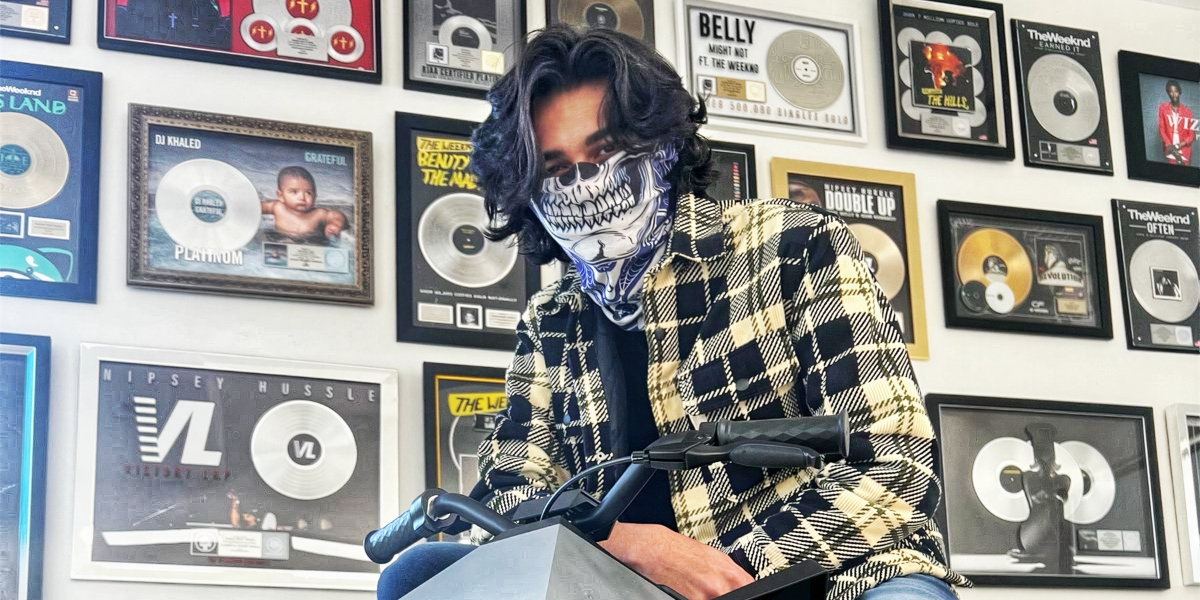
There’s a moment Yash Kapoor remembers from his time at Berklee that made everything click. He was working closely with producers like DaHeala and DannyBoyStyles, sitting in sessions where the expectation wasn’t to show potential but to deliver. “I was in rooms where the stakes were real,” he recalls. “Sitting there while decisions were being made about sounds, arrangements, and direction at that level, I realized that I wanted to be part of that world permanently.”
That realization shaped everything that came after. The LA-based producer graduated from Berklee’s Music Production and Engineering program and started applying what he’d absorbed in those high-pressure sessions. He’d grown up obsessed with producers rather than artists, paying attention to how Timbaland, Pharrell, and Kanye built records instead of just what was being said. The OVO sound and The Weeknd’s early work got him hooked on atmosphere and mood. At Berklee, he sharpened those instincts by studying composition, harmony, and arrangement, surrounded by people who live and breathe music theory.
Kapoor had to learn discipline the hard way. Early on, he’d wait for inspiration before working. If he felt it, he’d create. If he didn’t, he’d wait. “That doesn’t work if you want a real career in music,” he says. “I had to learn discipline. Showing up every day, even when the ideas feel weak, is what actually builds your skill and your voice.” He also had to learn how to take criticism without personalizing it. In professional rooms, feedback isn’t about you as a person, it’s about making the record better. Once he understood that, he became more collaborative, more open, less protective.
His creative process usually starts with a mood rather than a concept. Sometimes it’s a chord progression, sometimes a drum texture, sometimes just a sound that catches his ear. From there, he layers atmospheres, melodic fragments, and rhythmic pockets until the track feels like it’s breathing. Then comes the refinement, hours spent cleaning things up, creating space, shaping the mix so the emotions land exactly right. He’s meticulous about detail because he knows the difference between a good track and a great one often comes down to a half-decibel adjustment or one element being muted at the right time.
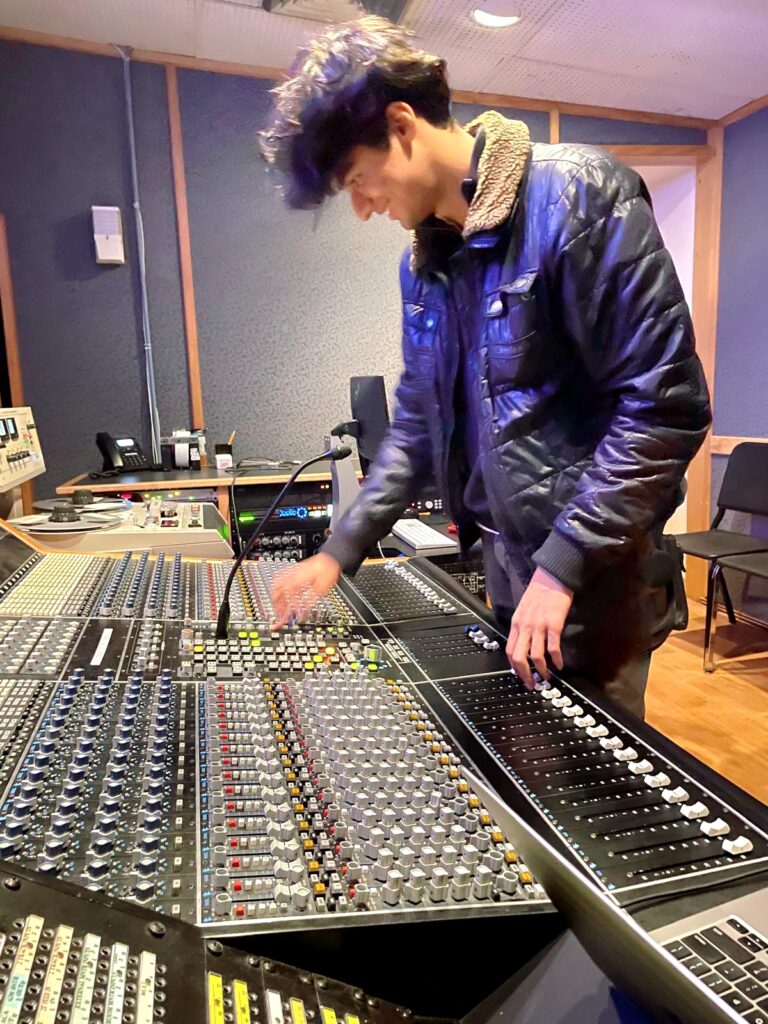
Kapoor operates across multiple specialized roles. He handles production, mixing, mastering, sound design, and film scoring, moving between them fluidly. “I work across a few different roles, but everything I do is rooted in one thing, building sound that feels intentional,” he explains. “Whether it’s producing, engineering, or creative direction, my goal is always to help shape a record into something that feels like it belongs in its own world.” He works across modern pop, alternative R&B, hip-hop, and cinematic scoring, focused on creating music that feels honest but still polished, with depth but also energy.
Right now, Kapoor is in what he calls a building phase. He’s working on upcoming releases with artists in development, curating his production catalog with intention. Every record he touches has to have purpose behind it, not just be another session. There are collaborations in motion he can’t fully discuss yet, but they involve artists who are serious about their craft and aligned with the type of sound he wants to build. He’s also developing a unique signature that people can recognize while staying versatile enough to work across genres.
The goal is to create records that feel like they could only come from this moment but still age well. He’s not interested in chasing trends because trends die fast. “The records that last are the ones where the artist is really saying something or creating a feeling that people can return to,” he explains. “Timeless records usually have simplicity underneath the polish. Even if the production is complex, the emotional message is clear.” As a producer, that’s always his goal: to help shape something that feels honest and specific enough to outlive the moment it came from.
He’s expanding internationally too, connecting sounds and cultures in ways that feel authentic and forward-moving. The focus is on quality and impact over volume, part of a broader ambition to work with people who push boundaries. He mentions Travis Scott’s creative team, Noah “40” Shebib, Mike Dean, experimental electronic producers who blur genres. He’s drawn to people who are building future sound and culture, producers who can hear the final record before it exists and guide every decision toward that vision.
You can find his work on Spotify and connect with him on Instagram or through his website and Linktree. Because for Kapoor, this isn’t about quick wins or staying visible. It’s about building a catalog and a reputation that can stand in the long run. The kind of work that comes from showing up every day and treating music like a craft that demands discipline, not just talent.