

























The wedding industry runs on chaos. It’s a $170 billion market that somehow still operates through WhatsApp messages, email chains that nobody can find, and Excel spreadsheets that crash at the worst possible moment. Jenny and Christos discovered this the hard way in 2023, when planning their own destination wedding nearly broke them. What they did next with SmartyWed reveals something unexpected about how modern couples are reshaping an industry that’s barely changed since our parents got married.
Their story starts where most wedding stories do: with overwhelming excitement that quickly turns into logistical panic. Christos, a web developer, had built a custom wedding website to manage their Greek destination wedding, while Jenny handled vendor coordination and she recalls “our wedding planner kept saying she loved our collaborative approach, but then she’d laugh and say most couples don’t have a developer on hand to build custom tools.”
That observation stuck. After their honeymoon, instead of simply moving on with married life, they started digging into why wedding planning remained so fractured. They interviewed planners from eight European countries, discovering patterns nobody had properly mapped before. Couples used one set of tools, planners used another, vendors used something else entirely. Nobody talked to each other effectively. When you added international guests, multiple languages, and different cultures, all common for European weddings, the whole system basically collapsed into controlled chaos.
What emerged from these conversations became a wedding platform that isn’t revolutionary in concept but in execution. It reveals something crucial about the wedding industry itself. Here’s a sector that generates massive revenue, involves incredible emotional investment, and yet has somehow resisted the kind of digital transformation that hit other industries decades ago. While restaurants got OpenTable and travel got Airbnb, weddings stayed stuck with Pinterest boards and prayer.
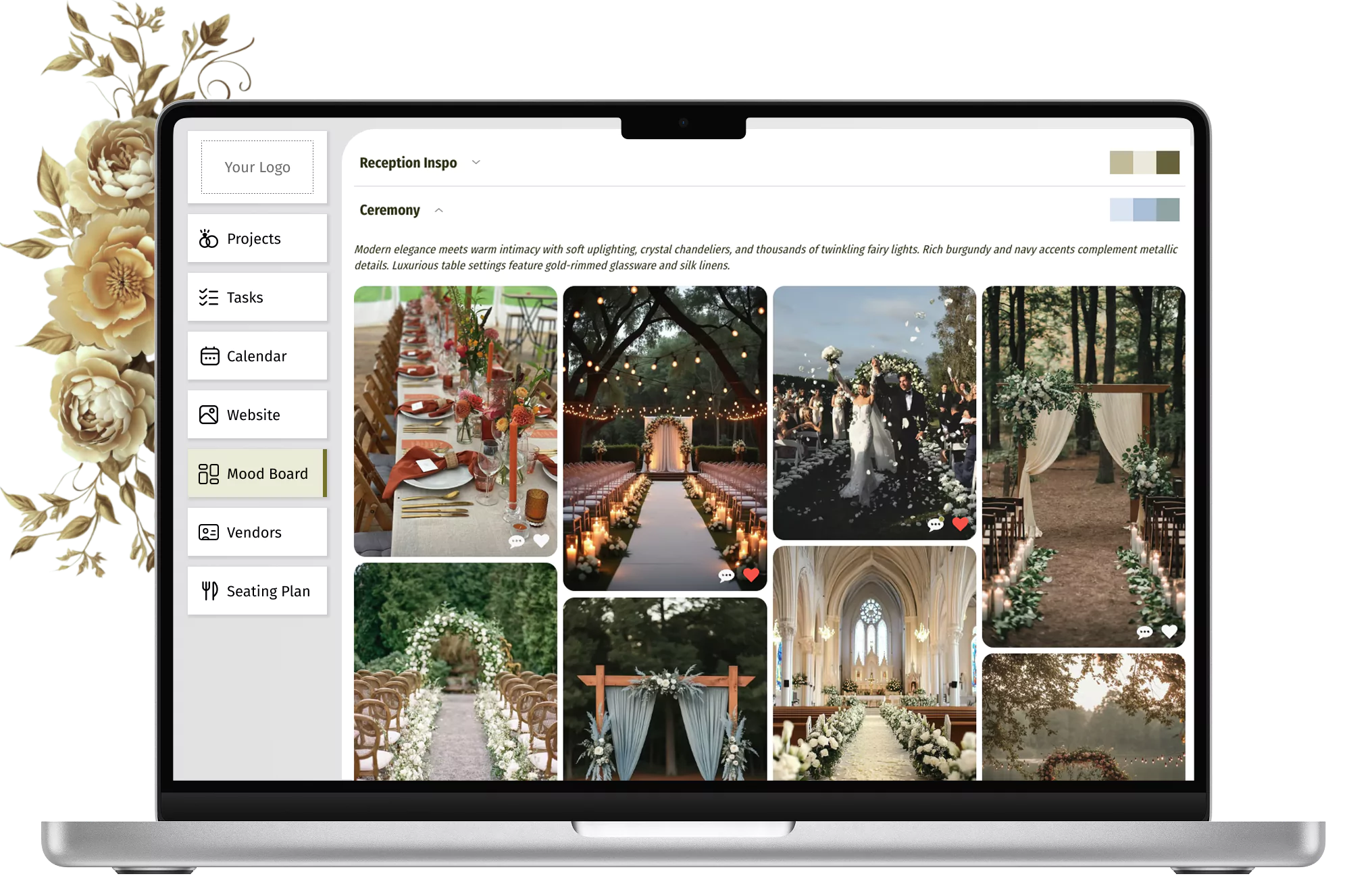
The platform handles what you’d expect: wedding websites, RSVP tracking, seating arrangements, budget management. But watch how couples actually use it, and you see something more interesting happening. Lydia, planning her Greek wedding from wherever she happened to be that week, discovered she could finally have one conversation with her planner Elena instead of sixteen different email threads. Marco’s Italian relatives got information in Italian through the multilingual features. Elena’s vendor updates reached everyone instantly. The small stuff that usually breaks weddings, like Aunt Lucia’s seafood allergy or last-minute transportation changes, got handled automatically.
The numbers from the first year suggest something shifting. Over 150 weddings across eight countries, managing 2,000-plus guests without the traditional communication breakdown. These aren’t just early adopters or tech enthusiasts. They’re regular couples who’ve discovered that planning a wedding doesn’t have to feel like running a small corporation with no training.
For wedding planners using SmartyWed, there’s been an unexpected side effect. The platform includes SEO tools and marketing guides that help them actually get found online. In an industry dominated by Instagram aesthetics and word-of-mouth, these unglamorous business tools matter more than anyone expected. Planners who’ve spent years being brilliant at their jobs but invisible online suddenly have a way to change that through these vendor tools.

The resistance to change in the wedding industry isn’t mysterious. Tradition matters here more than almost anywhere else. Couples want their weddings to feel timeless, not tech-forward. Vendors who’ve worked the same way for decades see no reason to change. The whole system runs on relationships and trust, not algorithms and automation.
Yet Jenny and Christos didn’t try to eliminate the human element. They just removed the friction around it. Planners still plan, vendors still create, couples still make deeply personal choices. The platform just ensures that when someone updates the flower order, everyone who needs to know actually finds out.
Their approach shows a different way of thinking about industry transformation. They built with planners rather than for them, treating complexity as normal rather than exceptional. Sometimes the revolution isn’t in the technology itself but in finally acknowledging what everyone already knows is broken.
The real test comes not in the successful weddings but in what happens next. As cross-border relationships become standard and destination weddings shift from luxury to norm, the old systems will break completely. Email and spreadsheets can only stretch so far. The question isn’t whether the industry will digitize, it’s whether it’ll happen through choice or necessity.