





















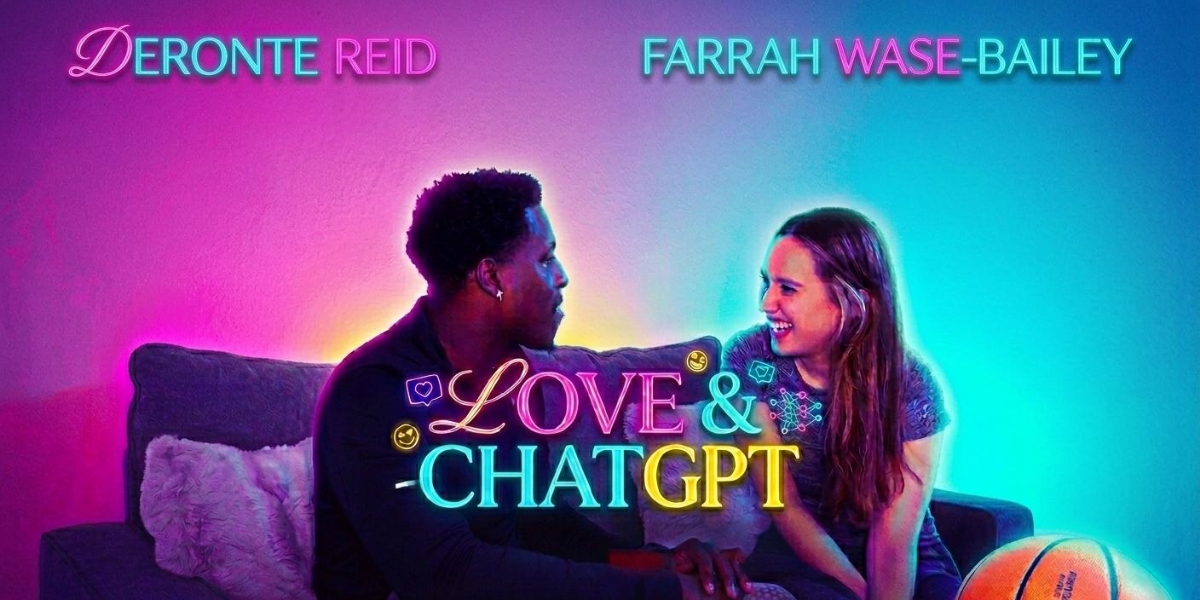
When Farrah Wase-Bailey screened her short film Love and ChatGPT at the Marilyn Monroe Theatre, the room kept laughing in the right places. That’s a useful tell. Comedy that lands on truthful performance is hard to fake, and Farrah Wase-Bailey had built the film around a specific technique she’d been studying all year.
The London-born actor moved to Hollywood six months ago to pursue acting full-time after spending two decades taking classes and shooting shorts as a hobby. She enrolled in the one-year conservatory at the Lee Strasberg Theatre and Film Institute, where students train in what’s commonly called The Method. It’s not the parody version people joke about. The technique is essentially a toolkit for releasing physical tension, accessing personal memory and emotion, and using both to connect with a character on a level deeper than line readings.
That training shaped everything about how Wase-Bailey made Love and ChatGPT. She wrote, directed, and shot the 2:57 film herself. The premise is simple. A couple exchanges loving messages and gradually realizes they’re both running their declarations of affection through ChatGPT. They call each other out, laugh, hug. The whole thing works because the performances feel real, even as the situation gets absurd.
To get there, Farrah Wase-Bailey and her co-star ran relaxation exercises on the chair before shooting. The chair work is one of Strasberg’s foundational drills, designed to drop physical tension so the actor isn’t carrying the day’s stress into the scene. They also used sense memory, pulling from specific personal moments to fuel the emotional beats. When the actors sat down to play a couple too sheepish to write their own love notes, they had something concrete to draw on rather than a generic version of romantic awkwardness.
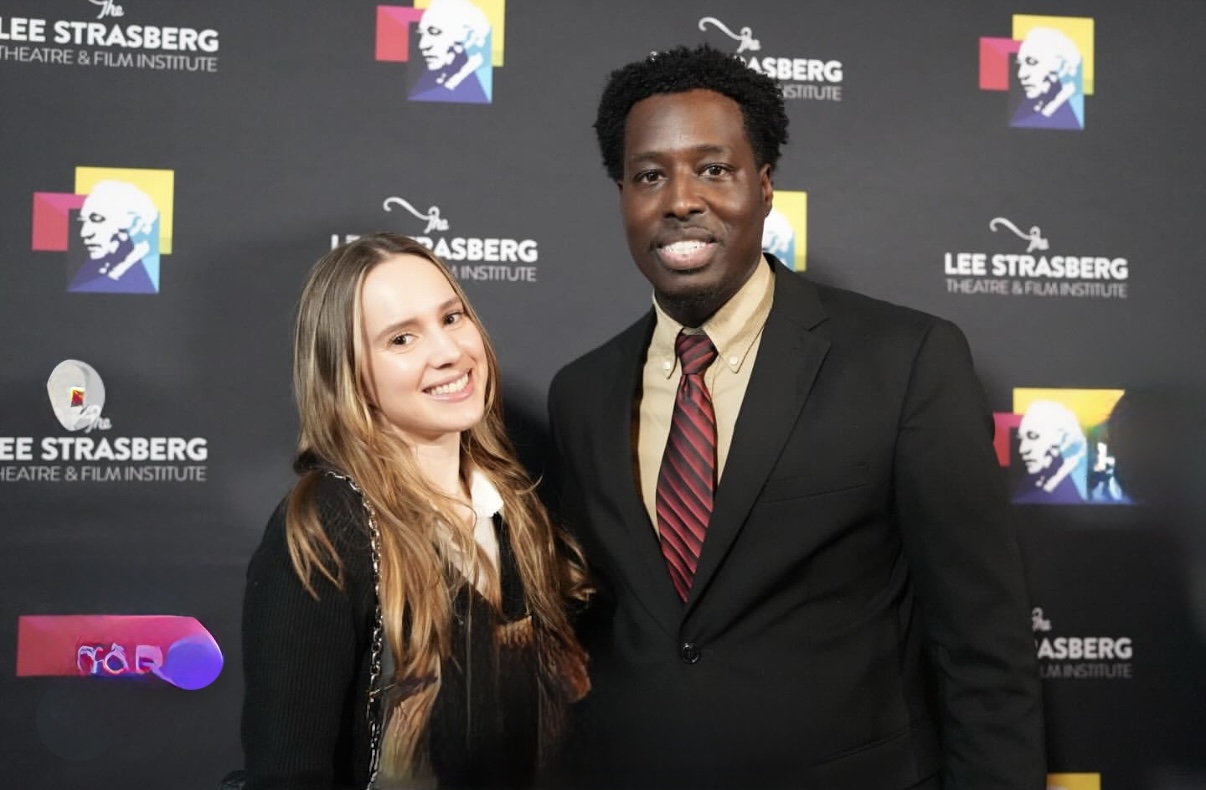
The film was selected for her school’s festival and has picked up several Best Actress wins on the festival circuit. More telling, though, was that screening at the Marilyn Monroe Theatre. Audiences laugh at recognition, and the script taps something genuinely current, the small embarrassments that come with leaning on AI for things that used to be unmediated. If the performances had been hollow, the joke wouldn’t have landed. It did, repeatedly.
Farrah Wase-Bailey has trained at various studios in London and Los Angeles over the years, but she describes the past year at Lee Strasberg as the one that changed how she works. The plan is to keep applying the same approach to every project from here. Release the tension, find the memory, build the character from the inside. She’s already lining up her next round of acting work in Los Angeles, with more short films and on-camera projects in development.
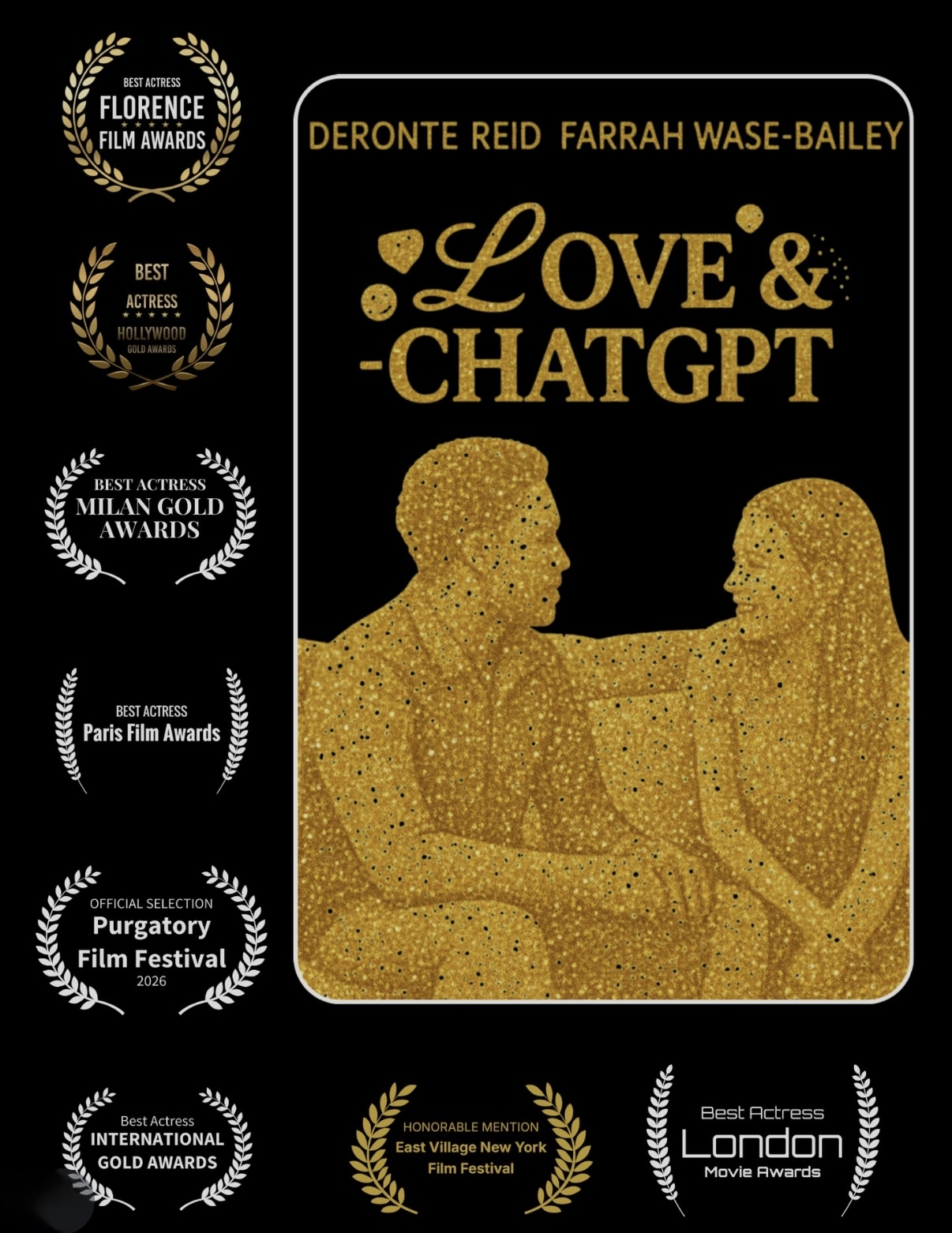
Love and ChatGPT is a small piece of that bigger picture, but it’s a useful one. It shows what Farrah Wase-Bailey can do with three minutes, a co-star, and a technique she’s spent a year learning to trust.