
























There’s a persistent gap in performing arts training that most educators don’t talk about. Dancers get technique. Actors get emotional depth. But the performer who needs both, the one auditioning for a film role that requires them to move and feel simultaneously, often gets left to figure it out on their own. Adriana Kostetska spent 25 years building a career across Europe and the United States specifically because she noticed that gap, and eventually, she built a system to close it.
Kostetska is an international choreographer, producer, and director whose résumé covers stage productions, film sets, and television projects across two continents. Early in her career, she worked in Ukraine on large-scale entertainment productions, including projects tied to the internationally recognized Dancing with the Stars format. That kind of work, developing performance concepts for television at scale while collaborating with well-known performers and public figures, gave her a practical understanding of what professional entertainment actually demands from a performer. It’s not just clean technique. It’s the ability to execute that technique while a camera is in your face and time is money.
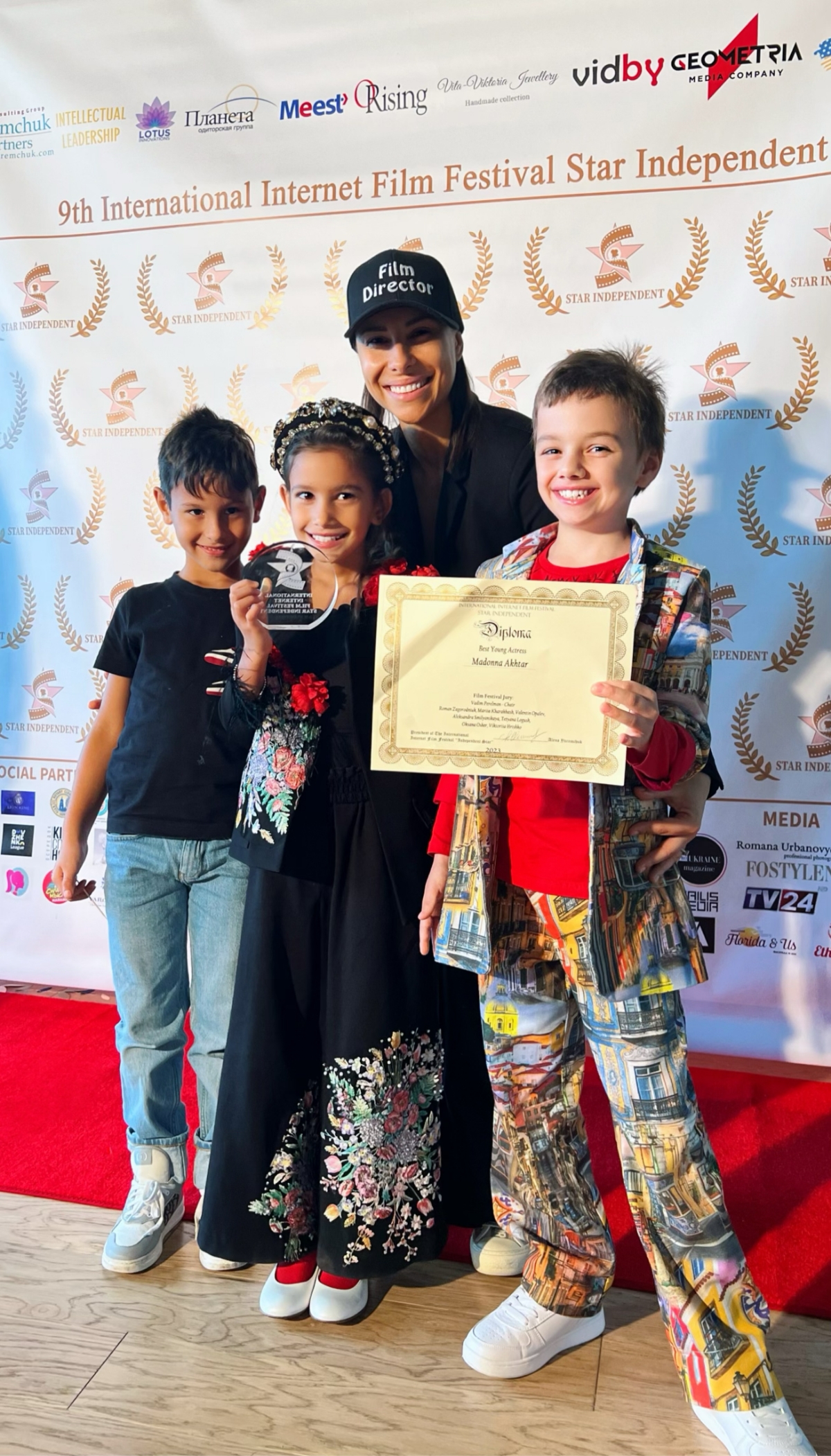
Over the course of her career, Adriana Kostetska has contributed to more than 150 creative productions across stage, television, and film. The projects she’s produced or contributed to have collectively earned over 120 international awards and recognitions at film festivals and artistic competitions worldwide. That’s a significant body of work by any measure, and it’s the kind of track record that tends to shift how people listen when you have something to say about training.
What she had to say eventually became the D.A.N.C.E. Method, a structured training system she developed by drawing on everything she’d learned as a choreographer and performance coach. The method integrates movement technique with emotional storytelling and on-camera performance preparation, working from the premise that choreography and character development aren’t separate concerns. For dancers trying to break into film and television, that integration matters more than almost anything else. You can be technically flawless and still read as hollow on screen.

The methodology is laid out in her book “Acting for Dancers,” which is distributed internationally through Amazon and has found an audience among performers navigating the overlap between dance and acting in film and television. Alongside the book, Adriana Kostetska has developed a series of online training courses, educational programs, and professional guides that have been purchased by over 1,000 students internationally. A lot of those students are now pursuing careers as actors, dancers, and performers in the industry, which is ultimately what any training program is supposed to produce.
In Florida, Kostetska runs Hollywood Star Studio, a training center focused on preparing young performers for careers in film, television, and commercial entertainment. Through the studio and her mentorship programs, she works with actors, dancers, and young performers who go on to participate in professional productions, independent films, and international creative projects. She also operates a broader talent development and production platform where she mentors and produces young performers for film projects and advertising campaigns in the United States.
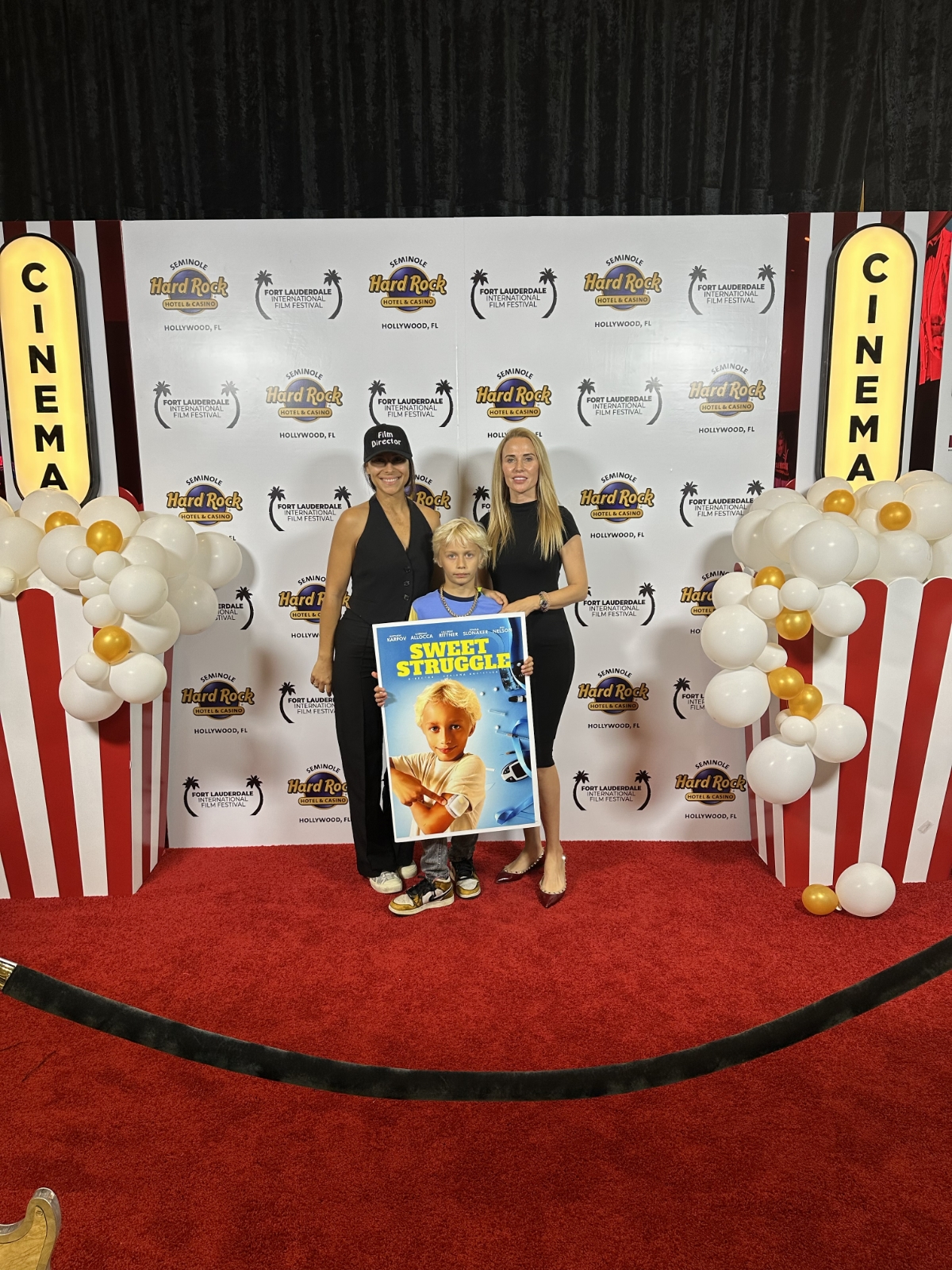
What’s worth paying attention to here is the combination of roles she’s maintained simultaneously. A lot of people in the performing arts end up specializing as they get older, moving further into one lane because maintaining multiple demands a certain kind of stamina. Adriana Kostetska has stayed active as a choreographer, director, producer, educator, and performer at the same time, and her educational work clearly draws on the fact that she’s still operating inside the industry she’s teaching people to enter. That’s a different thing from someone who transitioned into education and started working from memory.
The D.A.N.C.E. Method isn’t a novel concept in the sense that the problem it addresses is new. Performers have always needed to bridge technique and emotional range. What’s different is the systematization of it, the fact that Kostetska took what she’d developed over decades of practice and built it into a transferable framework with a book, courses, and a methodology that students in multiple countries can access and apply.
For the performers who’ve been trying to navigate that gap on their own, that’s a practical resource. For the broader conversation about how performing arts training actually prepares people for professional work in film and television, Adriana Kostetska’s approach is a reasonable argument that the technical and the emotional don’t have to be taught as separate tracks. The dancers who go on to work on screen will likely tell you they should have learned that a lot earlier.