







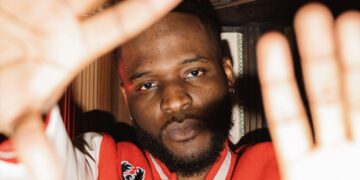


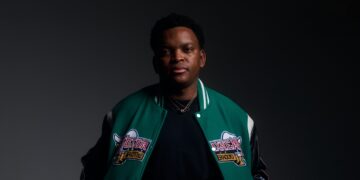











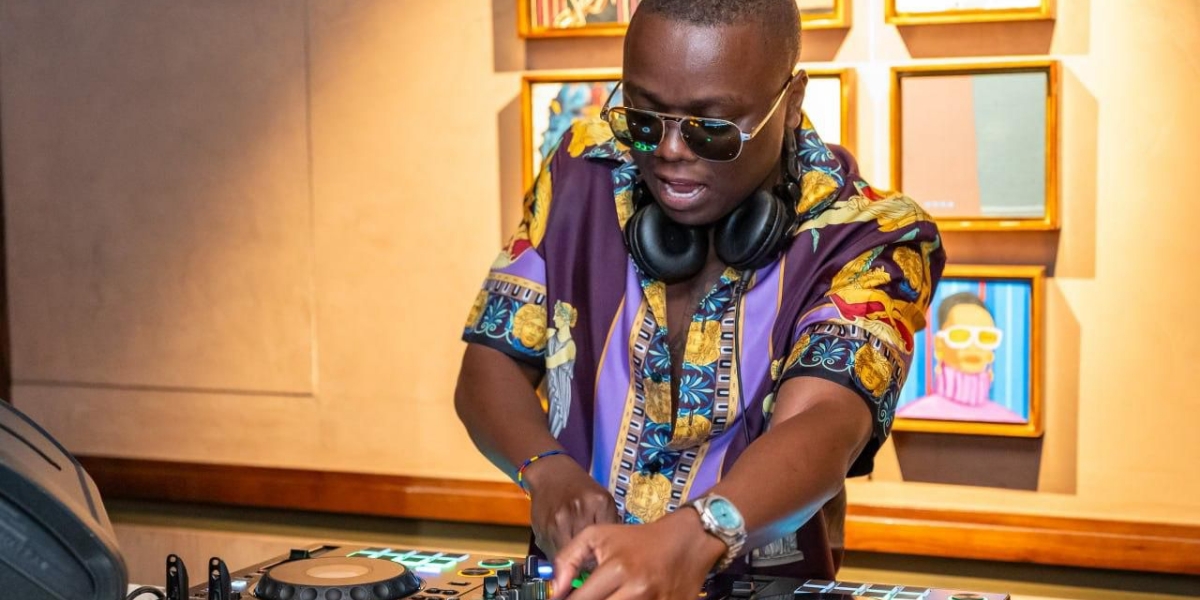
Francis, better known to clubgoers as DJ FKR, has built his reputation across Africa as a producer and selector with one foot in the percussive heat of Afro House and the other in the melodic pull of Afrobeats and Amapiano. His roots run through both South Africa and Uganda, and that double heritage shows up in how he programs a set. The rhythms feel specific, not borrowed. There’s a reason his name carries weight across the continent.
Now he’s setting up shop in Dubai, a city that has been opening up more room for African artists looking to reach international audiences without sanding down the parts of their sound that make them recognizable in the first place.
His latest release, an EP called Upendo, dropped on May 5, 2026. It carries two tracks, “Walimengu” and “Wewe Ni Wangu.” The release is a focused two-song package rather than a sprawling project, which fits the way he tends to operate. He puts out what he means to put out and lets it do its work.
Anyone who has caught one of his sets knows the appeal isn’t just the song selection. His sets lean on high-energy transitions and careful curation rather than relying on pure spectacle. The back catalog gives him plenty to pull from, with popular tracks like “Hakuna Matata (Jambo) – Radio Edit,” “Warpath,” and “Without Me (Walangako)” anchoring the discography alongside the new EP cuts. There’s a pacing to his work that tells you he’s been doing this for a while.
The Dubai chapter matters because of where the city sits in the broader picture. It’s becoming a real stop for global talent shaping the region’s nightlife, and FKR fits cleanly into that wave. He isn’t arriving as a novelty. He’s arriving with a built audience and a catalog that translates.
What separates him from a lot of touring DJs is the business side. FKR treats his project like a brand and approaches audience growth with the kind of discipline most artists outsource. He’s hands-on with how his music gets packaged, where it lands, and who it reaches. That deliberateness has helped him scale across borders without the usual stumbles that come with international expansion. Plenty of acts can fill a room at home and never figure out how to translate that anywhere else. He’s avoided that trap.
He also puts real work into community involvement, with ongoing charity and outreach efforts tied to the regions he’s connected to. His philanthropy is treated as part of the work rather than a separate marketing angle, which is part of what makes it land. The platform is a tool, and the music is the entry point.
Upendo fits that worldview cleanly. The EP isn’t trying to reinvent anything. It’s two tracks that do what good dance music is supposed to do, which is move bodies and carry feeling at the same time. The restraint reads as confidence.
The other thing worth noting is how cohesive his catalog feels when you stack the singles next to the EP. “Walimengu” and “Wewe Ni Wangu” don’t sit awkwardly next to older cuts like “Warpath” or the radio edit of “Hakuna Matata (Jambo).” They share a center of gravity. That kind of consistency is hard to fake, and it’s usually a sign of a producer who knows what he wants his project to sound like before he ever hits record.
Listeners can find his music on Spotify, Apple Music, Beatport, and SoundCloud, and can follow him on Instagram and TikTok.
If the work so far has been about establishing a sound, the next stretch is about putting it in front of new audiences. Dubai is the next room, and FKR walks in with the work already done.